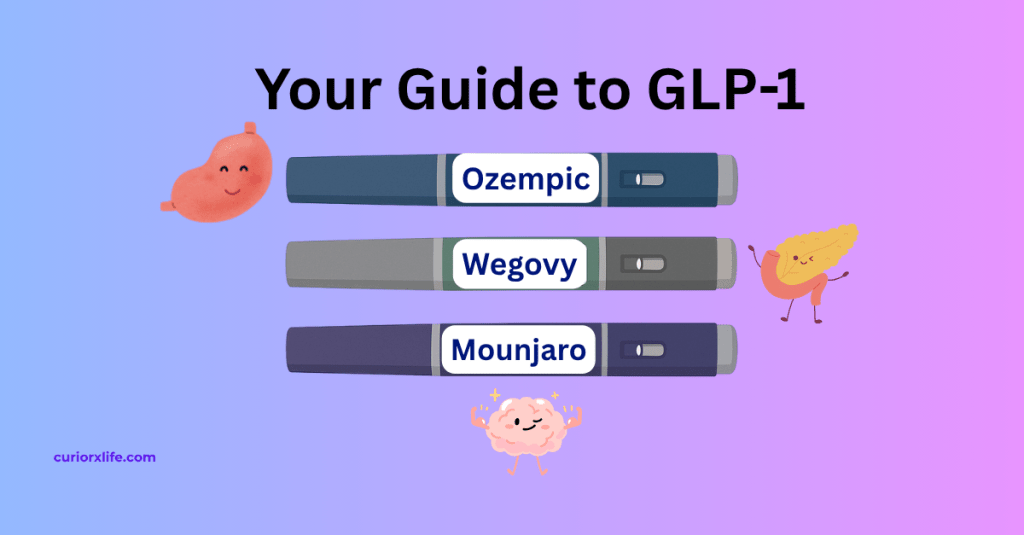
GLP-1 shots like Ozempic, Wegovy, and Mounjaro slow digestion, stabilize blood sugar, and signal fullness to your brain. The result? Better glucose control and, for many, steady weight loss. They’re not magic, nausea and high costs are real hurdles. But for type-2 diabetes or obesity, they can be life-changing when diet, exercise, and older meds aren’t enough. Also note: Wegovy now carries an FDA approval to reduce the risk of major cardiovascular events in adults with established CVD and overweight/obesity, and Zepbound (tirzepatide) is approved for chronic weight management.
Disclaimer: This post is for general education only. Always consult your healthcare provider before making medication changes.
What Are GLP-1 Shots, Exactly?
GLP-1 (Glucagon-Like Peptide-1) is a incretin hormone (gut hormone) released when you eat. It:
- Prompts your pancreas to release just the right amount of insulin.
- Prevents your liver from flooding your blood with extra sugar.
Drug companies have harnessed this hormone into convenient once-weekly (or sometimes daily) injections.
How Do GLP-1 Shots Help With Weight Loss?
These medications work by:
- Slowing stomach emptying, so you feel full on smaller portions.
- Quieting the brain’s “feed me” signals, reducing mindless snacking.
- Stabilizing blood sugar to prevent energy crashes (say goodbye to 3 p.m. sugar cravings).
Ozempic vs. Wegovy vs. Mounjaro: What’s the Difference?
| Brand (Generic) | FDA-Approved For | Typical Dose Range |
|---|---|---|
| Ozempic (semaglutide) | Type 2 Diabetes + Heart Risk Reduction | 0.25 → 2 mg weekly |
| Wegovy (semaglutide) | Chronic Weight Management (BMI ≥ 30 or 27 + comorbidity) | 0.25 → 2.4 mg weekly |
| Mounjaro (tirzepatide) | Type 2 Diabetes (weight indication pending) | 2.5 → 15 mg weekly |
| Zepbound (tirzepatide) | Chronic weight management | 2.5 → 15 mg |
Ozempic and Wegovy use the same molecule (semaglutide), but Wegovy has higher doses and an official weight-loss approval. Mounjaro (tirzepatide) targets an additional hormone, potentially boosting its effects.
Real-World Results
- Blood Sugar: Average A1C drop of 1–1.5% (some see over 2%).
- Weight Loss: About 5 – 15% of body weight lost over 12 – 18 months, depending on dose and lifestyle.
- Timeline: Nausea is common in the first 2 – 6 weeks; weight loss typically becomes noticeable by weeks 8 – 12.
Common Side-Effects
- Mild: Nausea, belching (tip: eat smaller, low-fat meals).
- Digestive: Constipation or diarrhea; stay hydrated and eat fiber-rich foods.
- Serious (Rare): Pancreatitis, gallstones, or severe stomach pain; seek emergency care if these occur.
- Thyroid Warning: Avoid if you have a personal or family history of MEN2 or medullary thyroid cancer.
Cost, Coupons & Insurance Hurdles
- Price: Out-of-pocket costs range from $900 – $1,200/month without insurance. GoodRx can help reduce this slightly.
- Ozempic ~$998/pen; Wegovy offers a $499/month option for uninsured/self-pay; Mounjaro list price ~$1,080/fill (your out-of-pocket varies by coverage
- Savings Programs: Check out the Ozempic Savings Card, WegovySave, or Mounjaro Savings (most require commercial insurance).
- Insurance: Medicare and Medicaid coverage varies. Appeals may be needed for weight-loss indications.
Emerging Developments: Oral Options
Lilly’s orforglipron (oral GLP-1) hit key Phase 3 milestones; the company plans regulatory submissions in 2025, with reporting suggesting potential approvals as early as 2026 depending on reviews. Weight loss in recent trials ranged roughly ~10 – 12% depending on population/dose.
FAQ in 60 Seconds
- Alcohol? A social drink is usually fine, but heavy drinking increases pancreatitis risk.
- Can I stop after reaching my goal weight? Weight regain is common without a maintenance plan, talk to your doctor
- Pregnancy? Not recommended. Semaglutide products advise stopping ≥2 months before a planned pregnancy; tirzepatide labels do not specify a washout period, discuss individualized timing. Also note tirzepatide can reduce effectiveness of oral contraceptives around initiation/dose escalations; use backup for 4 weeks after each increase.
GLP-1 shots aren’t a quick fix, but they’re a powerful tool for managing type-2 diabetes or obesity when paired with realistic expectations and consistent follow-ups. Track your progress, stay in touch with your healthcare provider, and use these meds wisely to maximize their benefits.
Grab the free checklist “8 Questions to Ask Before Starting a GLP-1.” Print it, bring it to your appointment, and feel confident in your discussion.
References
- American Diabetes Association. (2023). Standards of Medical Care in Diabetes-2023. Diabetes Care. https://diabetesjournals.org/care/issue/46/Supplement_1
- FDA. (2023). Drug Approvals and Databases: Ozempic, Wegovy, Mounjaro. https://www.fda.gov/drugs/drug-approvals-and-databases
- GoodRx. (2023). GLP-1 Agonist Pricing and Savings. https://www.goodrx.com
- National Institute of Diabetes and Digestive and Kidney Diseases. (2022). Prescription Medications for Obesity. https://www.niddk.nih.gov/health-information/weight-management/prescription-medications-treat-overweight-obesity
- Ozempic® (semaglutide) injection 0.5 mg, 1 mg, 2 mg List Price & Insurance Coverage Explained | NovoCare® (n.d.). https://www.novocare.com/diabetes/products/ozempic/explaining-list-price.html?
- Wegovy (semaglutide) injection, for subcutaneous use. (n.d.). https://www.accessdata.fda.gov/drugsatfda_docs/label/2024/215256s011lbl.pdf
- Zepbound. Prescribing Information. Lilly USA, LLC. PP-ZP-US-0076 11/2023 ©Lilly USA, LLC 2023


Leave a Reply to Anonymous Cancel reply